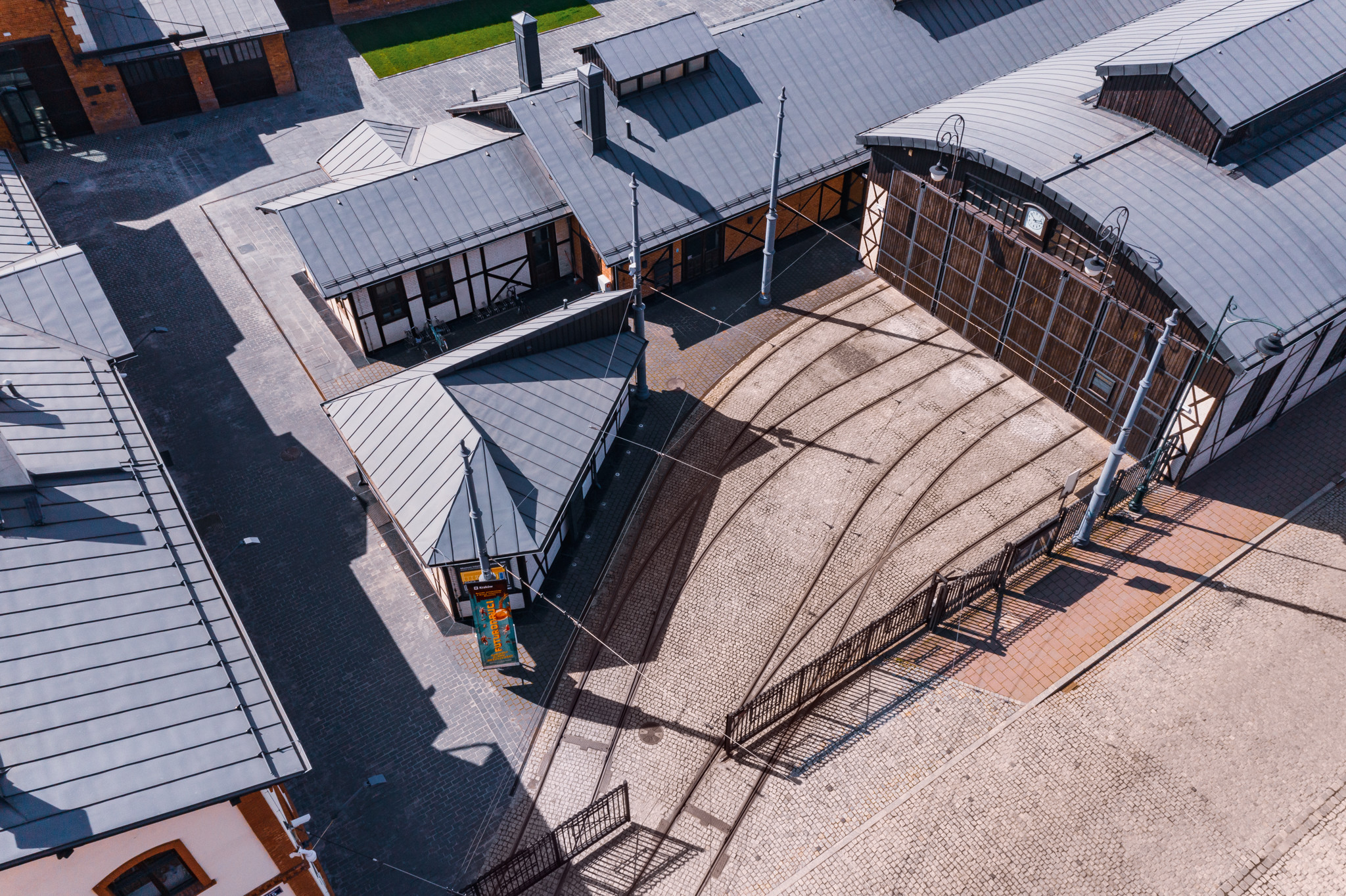
From the very first moment, you realise that you’re not just entering a museum. You’re stepping into a place that once kept the city moving. The Muzeum Inżynierii i Techniki w Krakowie, also known as the Museum of Engineering and Technology, is housed in Krakow’s former tram depot — and that is no minor detail. It is the essence of the experience. Here, where the city’s trams once set off every day, a different kind of journey begins. A journey through the memory of movement, from early machines and historic vehicles to data cables, computers and the evolution of communication that reshaped the way we live.
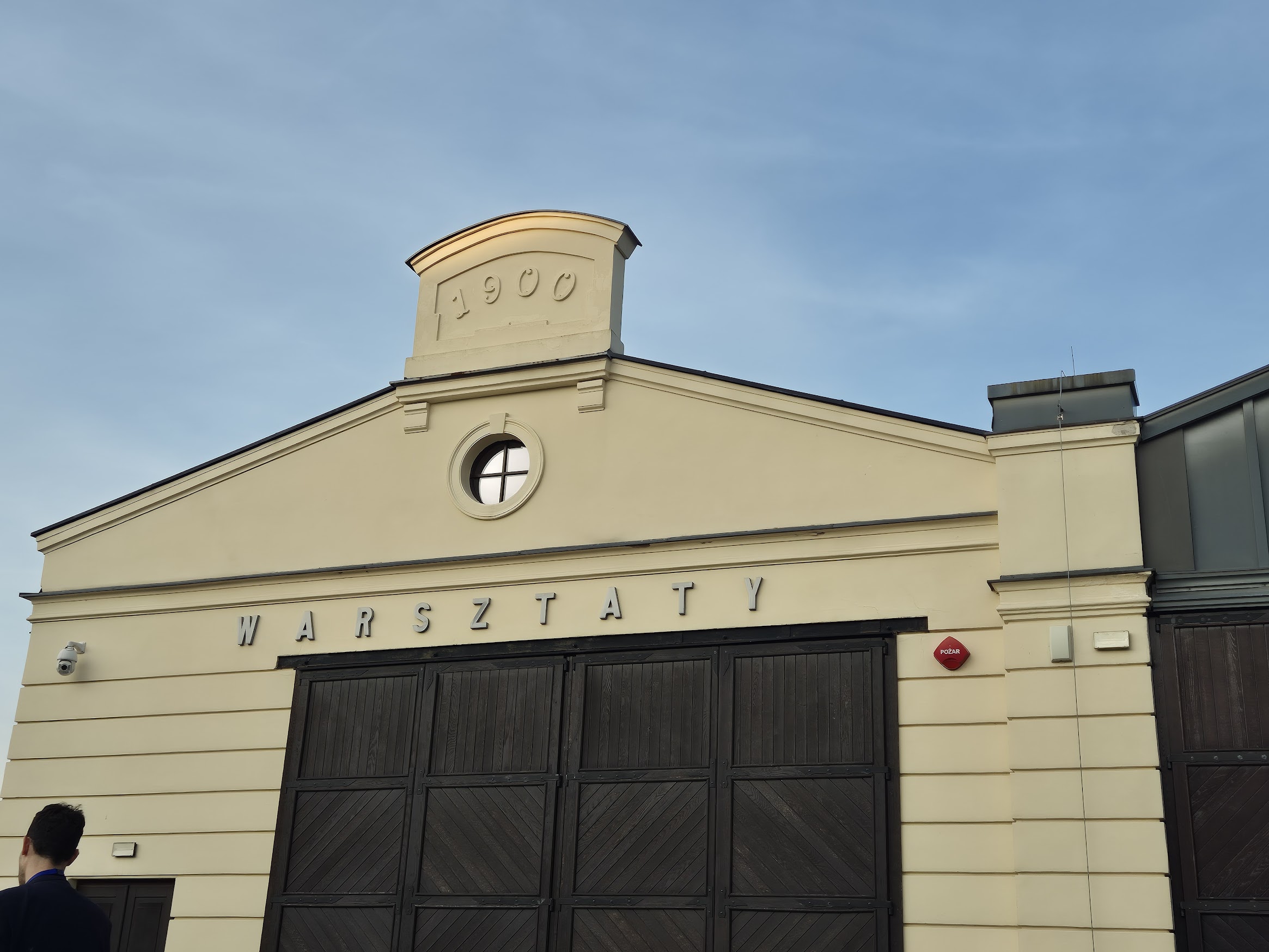
Engraved: 1900
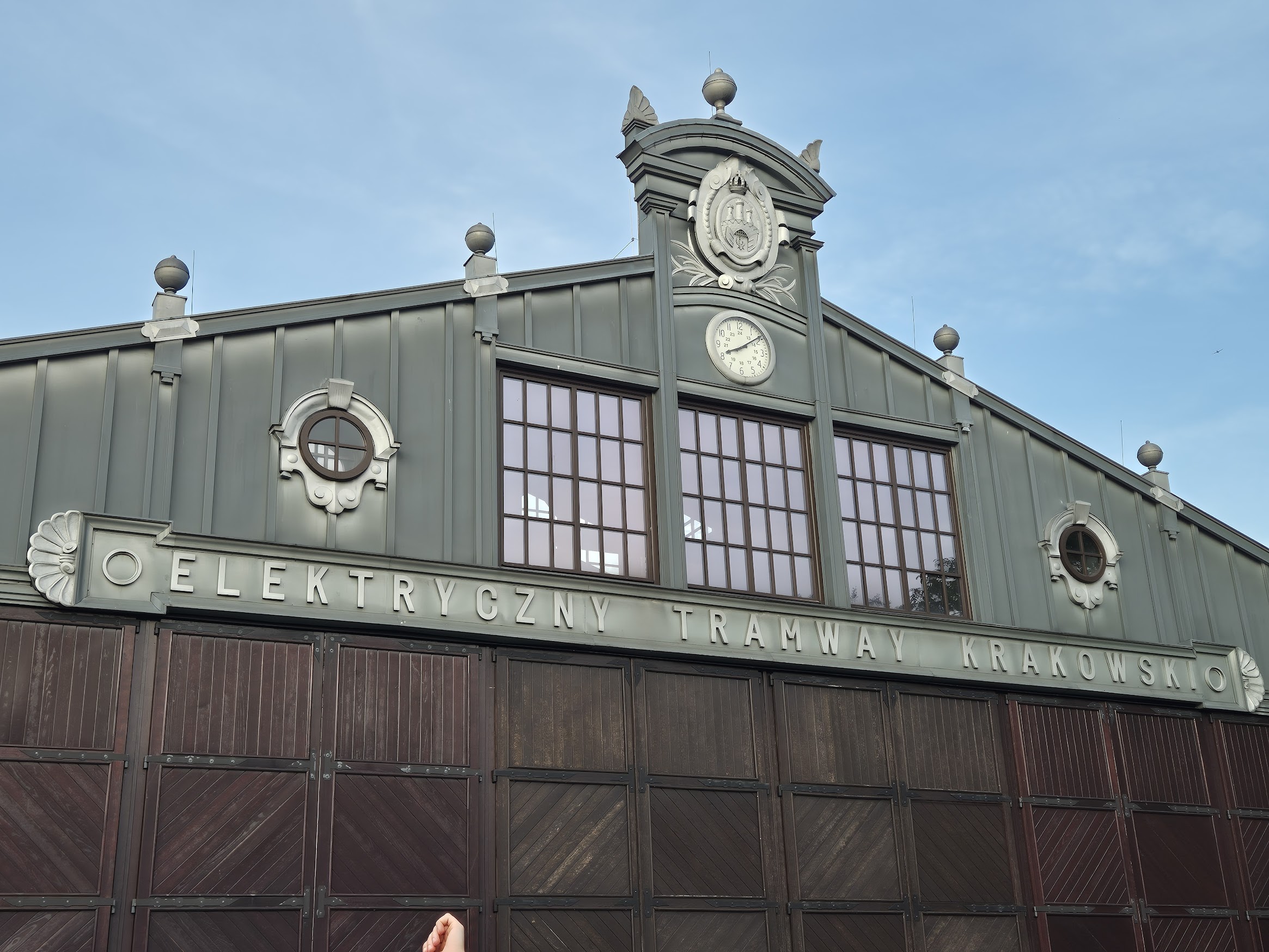
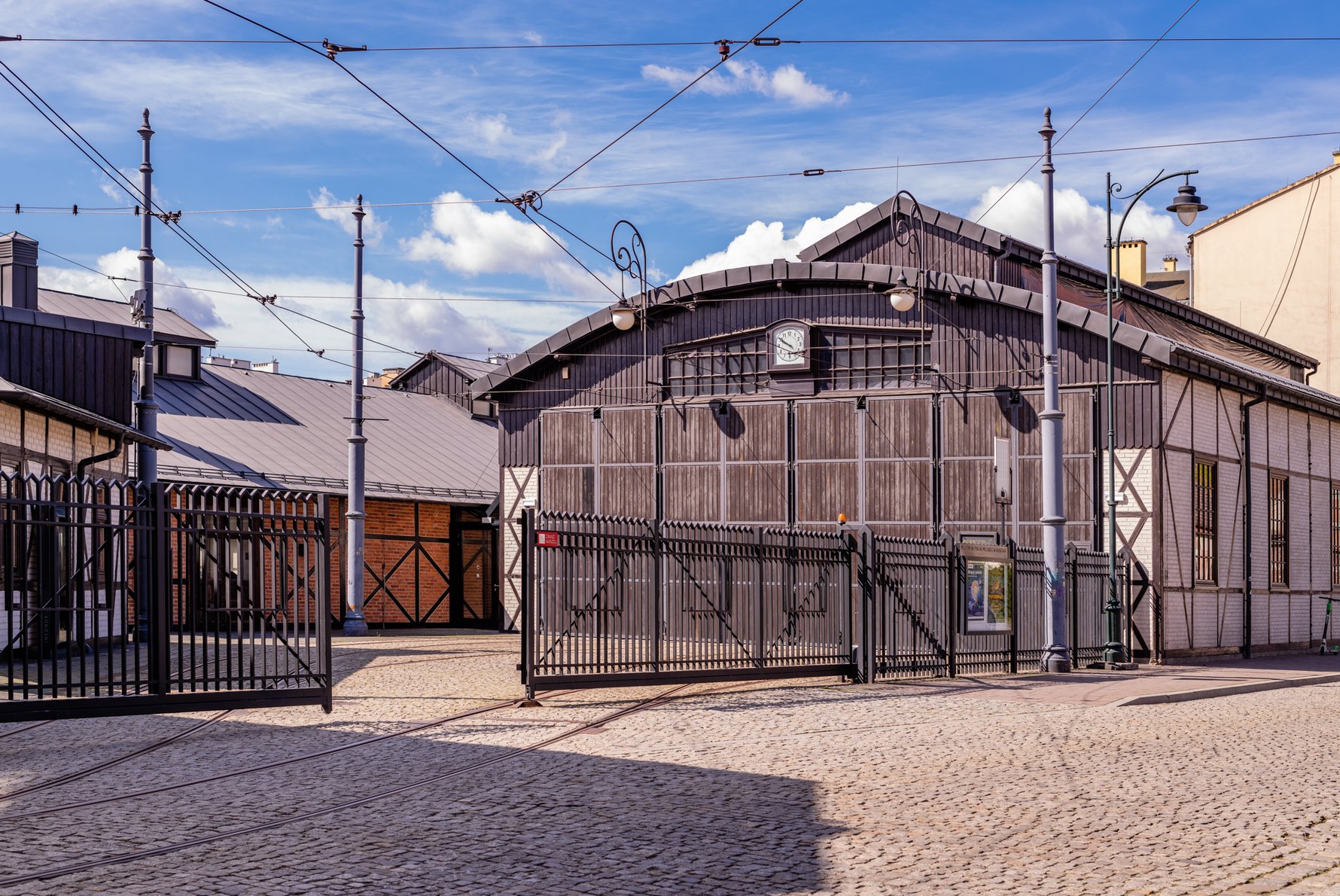
The old tram depot is not merely a backdrop. It is history carved into walls and dates. The inscription Elektryczny Tramwaj Krakowski recalls the moment, in the late 19th century, when Krakow embraced electrification. Just a few steps away, on a building marked Warsztaty (Workshops), the year 1900 is engraved — the time when these facilities operated as maintenance and repair workshops for the trams that powered the city’s daily rhythm.
More than a century later, the same complex found a new purpose. In 1998, the Municipality of Krakow founded the Muzeum Inżynierii i Techniki here, transforming a site of industrial routine into a museum of technological memory. From 1900 to 1998, and from there to today, the depot never stopped serving movement — it simply changed direction.
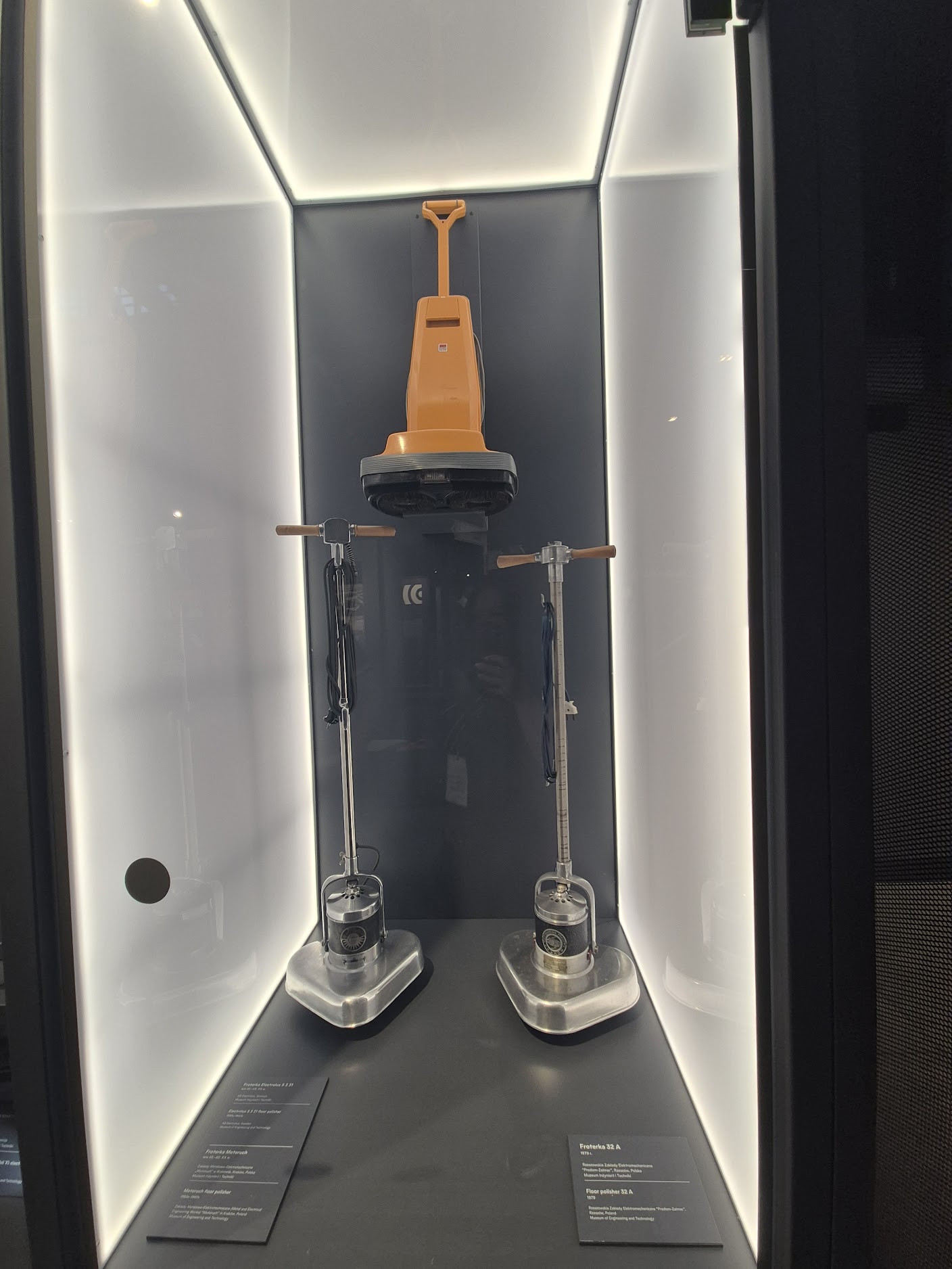
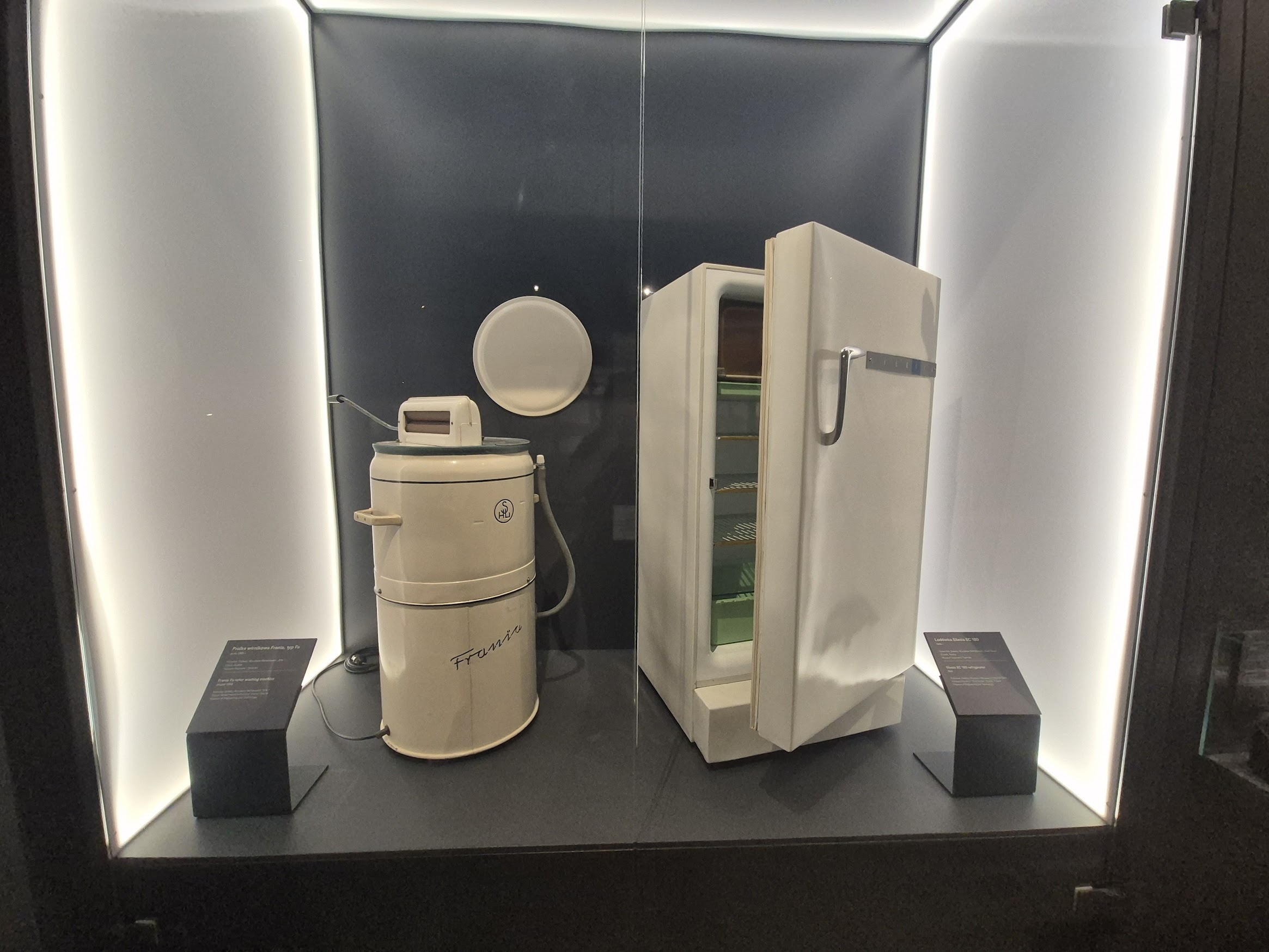
The museum’s mission is to preserve and present the city’s technical heritage. It does so without didacticism. More than 3,000 exhibits unfold stories of everyday life: how we moved, how we communicated, how we worked, and how we imagined the future.
From machines to the streets
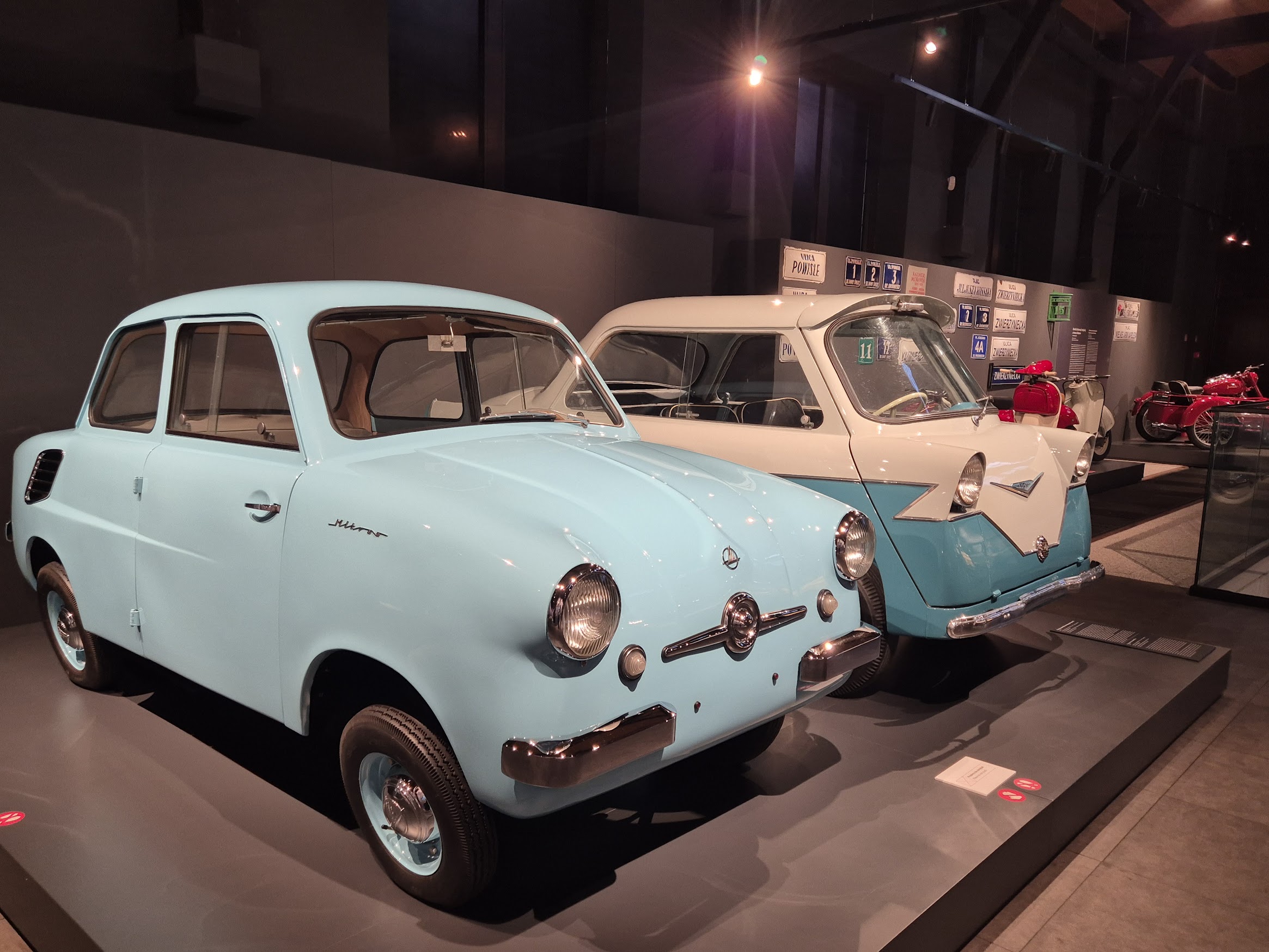
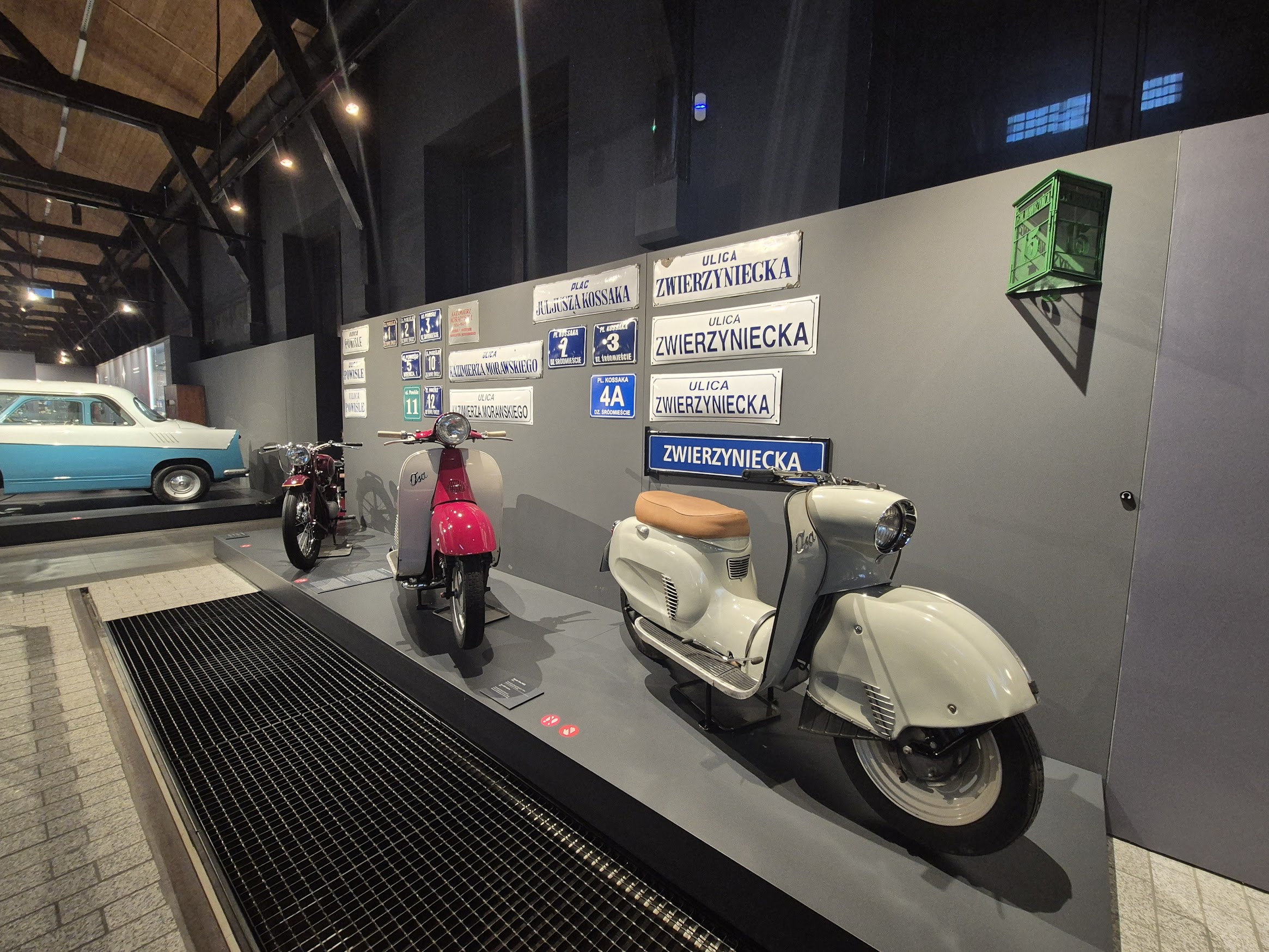
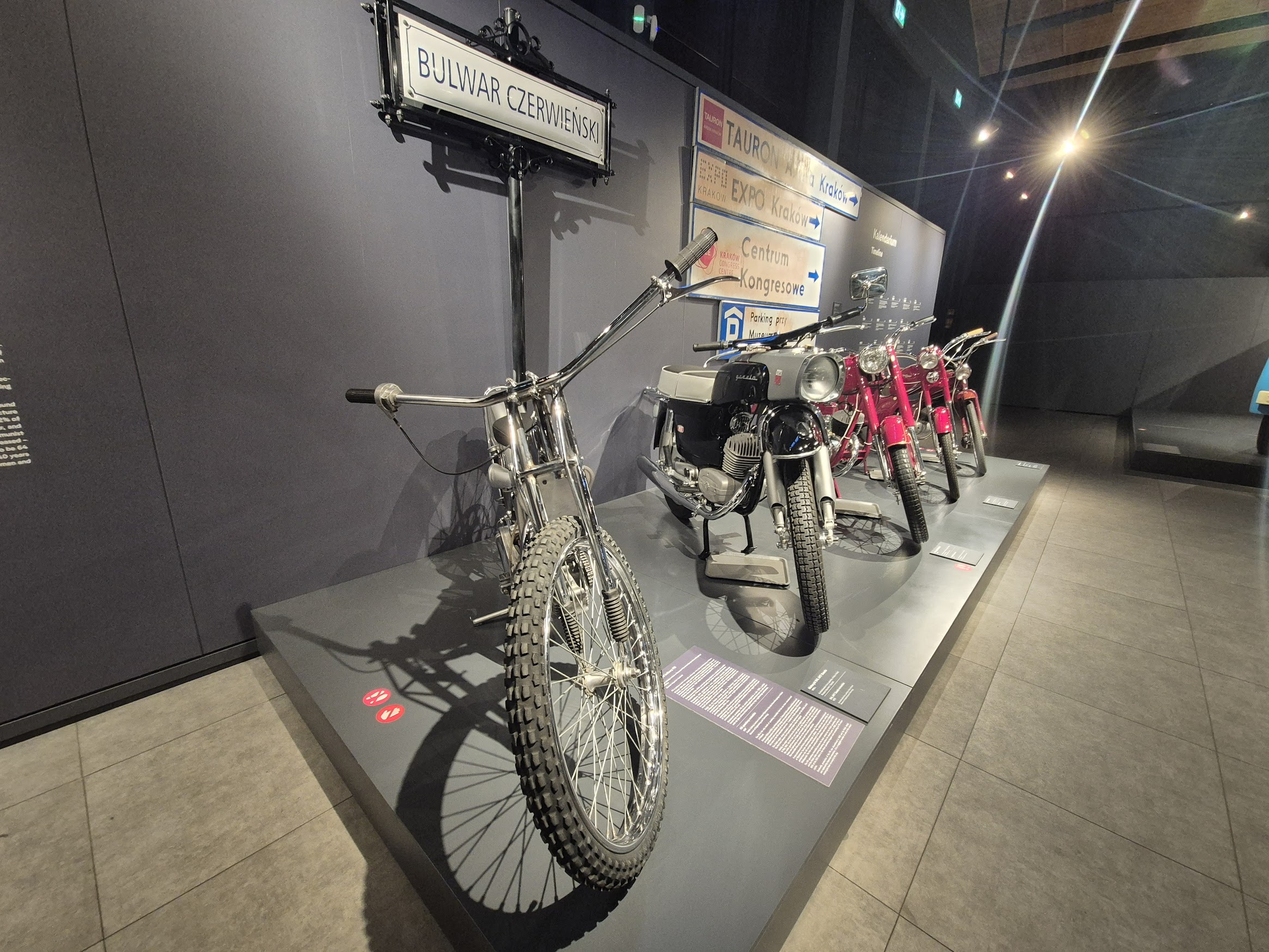
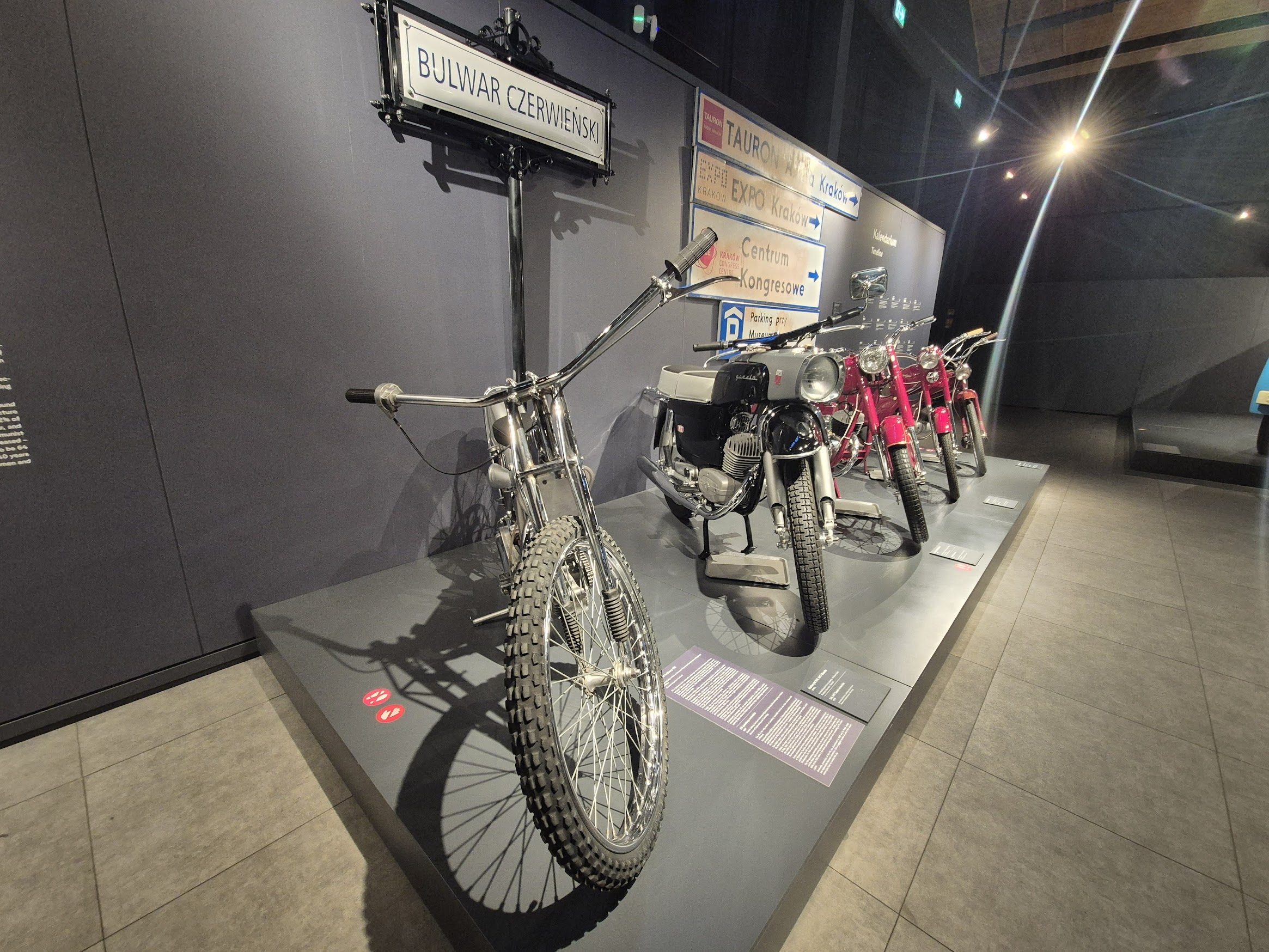
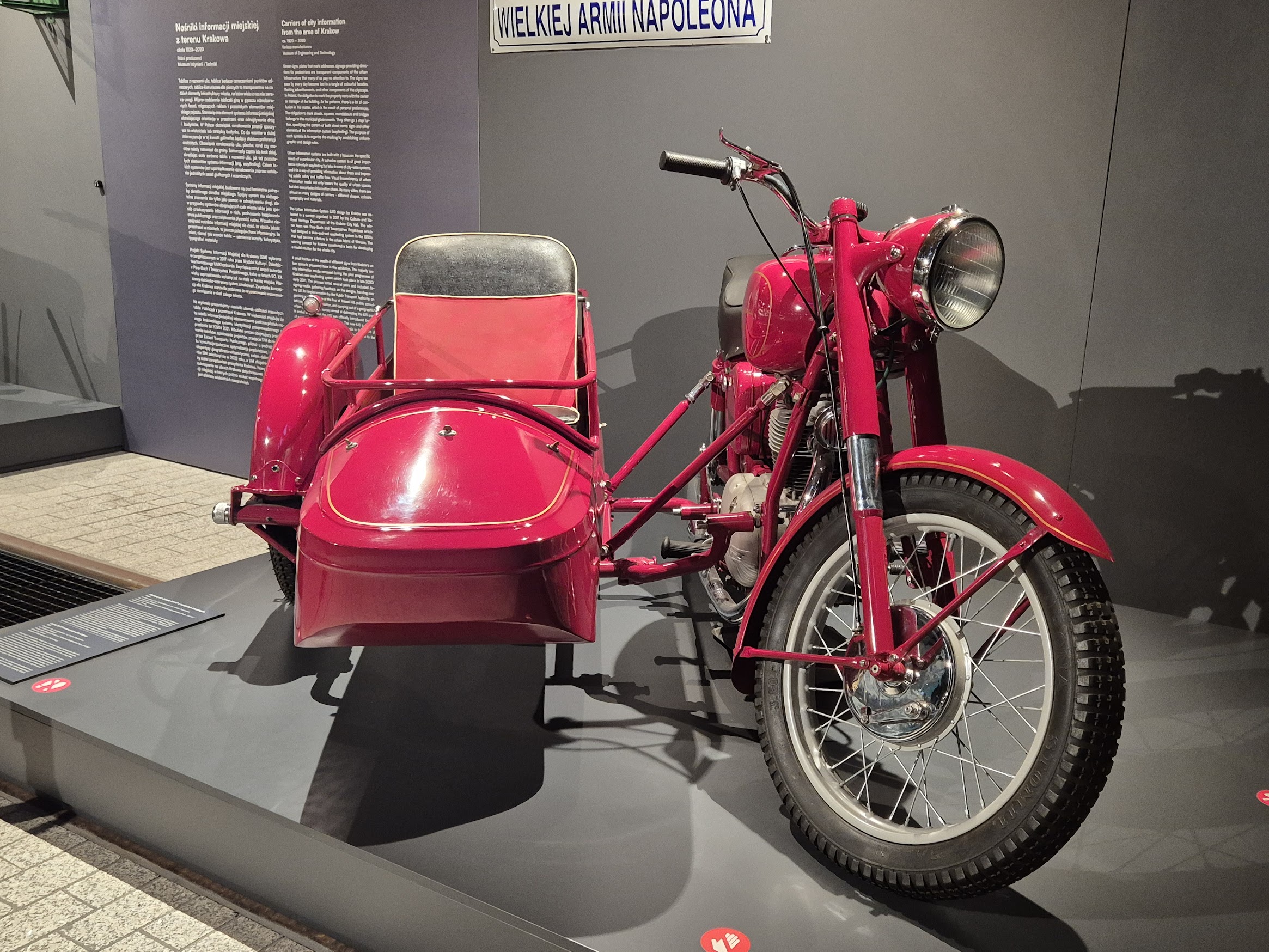
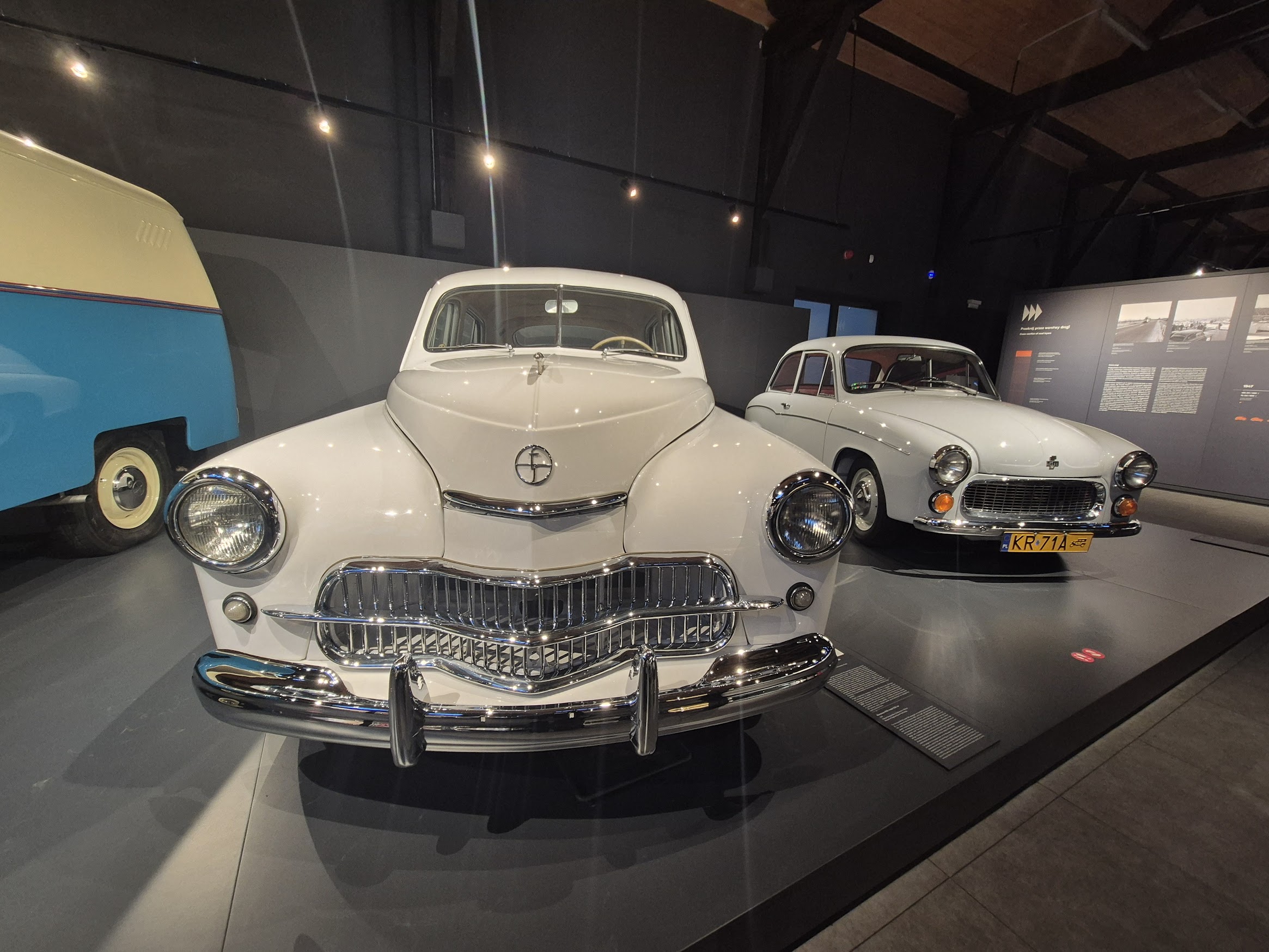
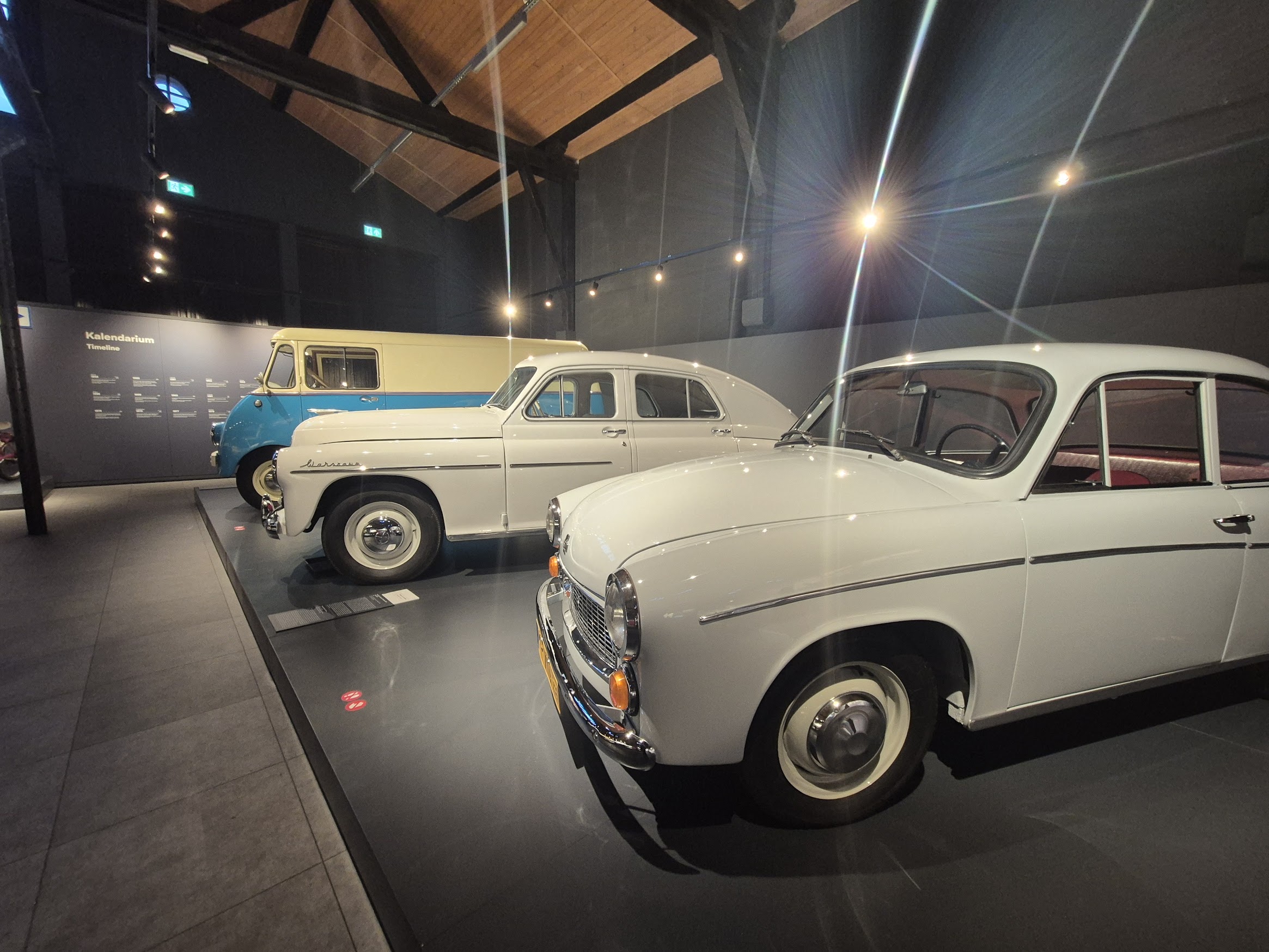
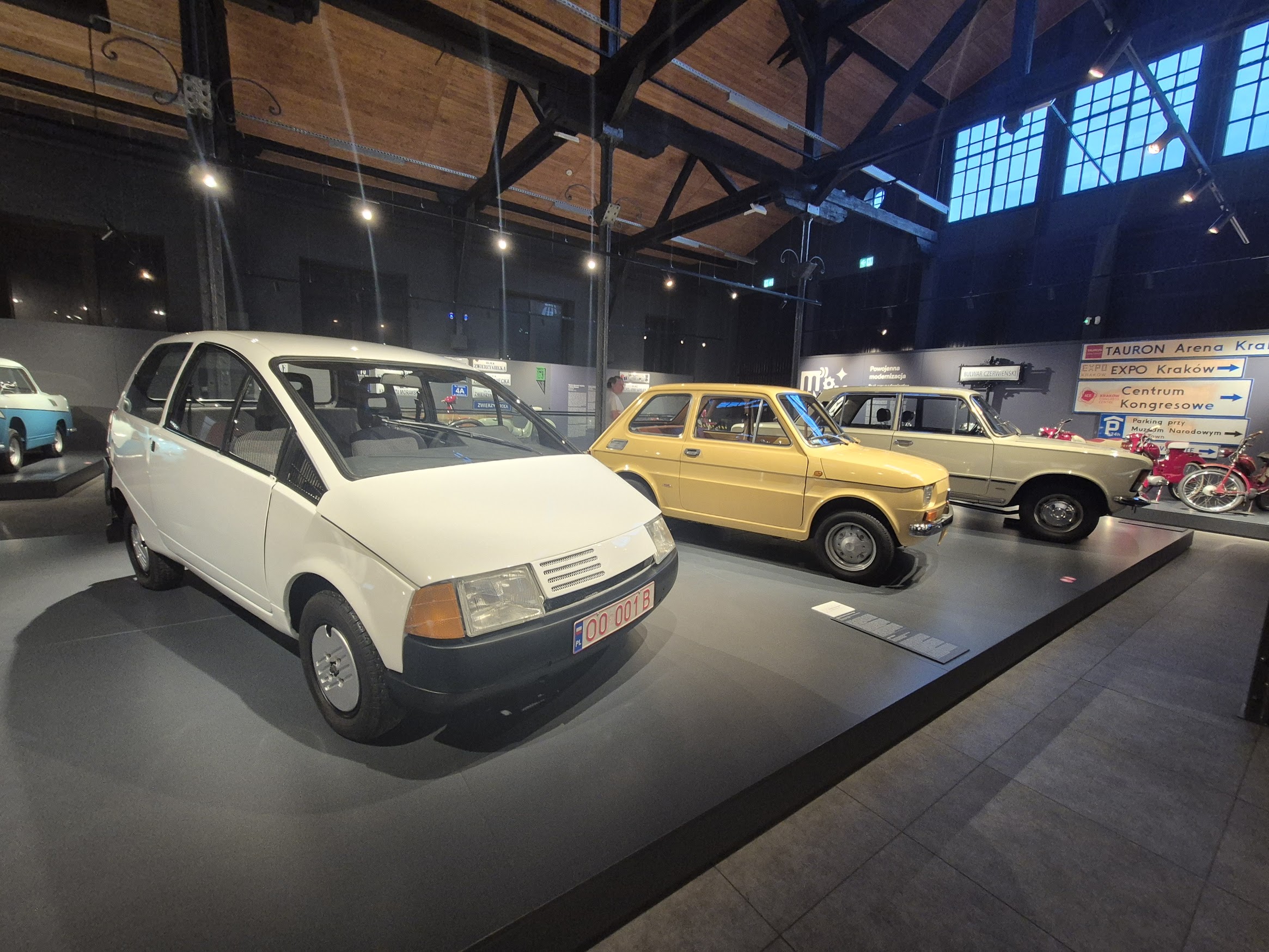
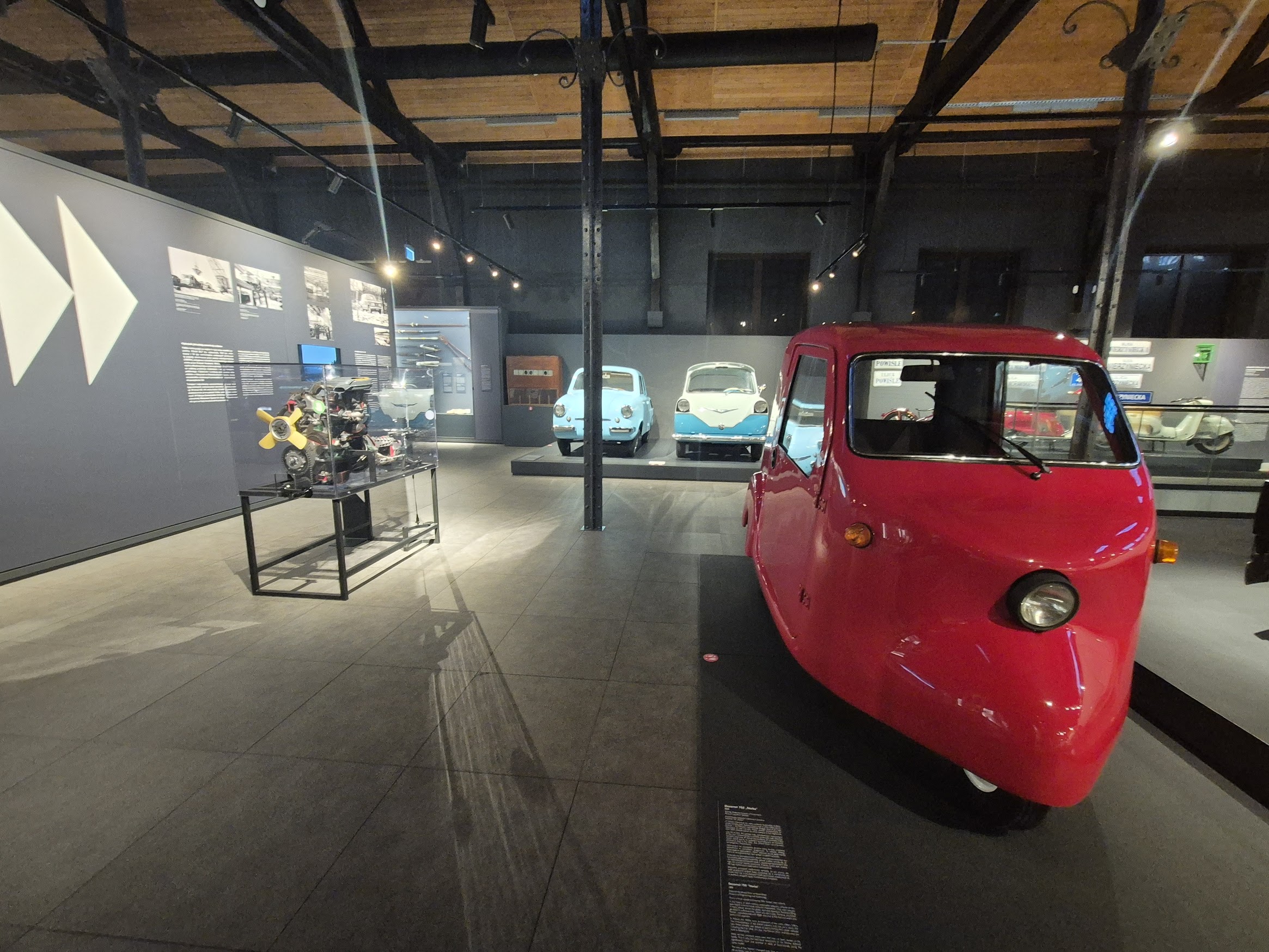
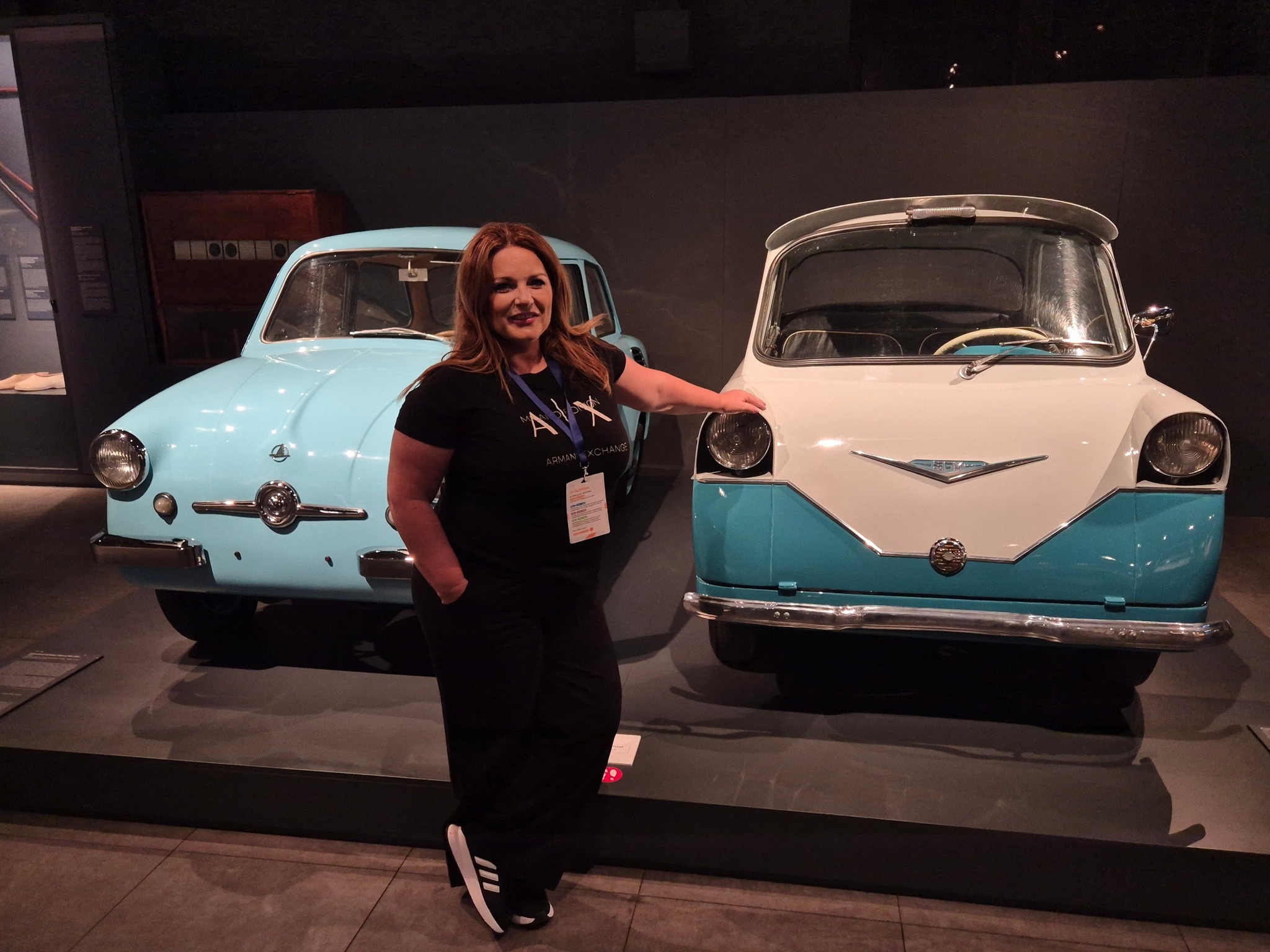
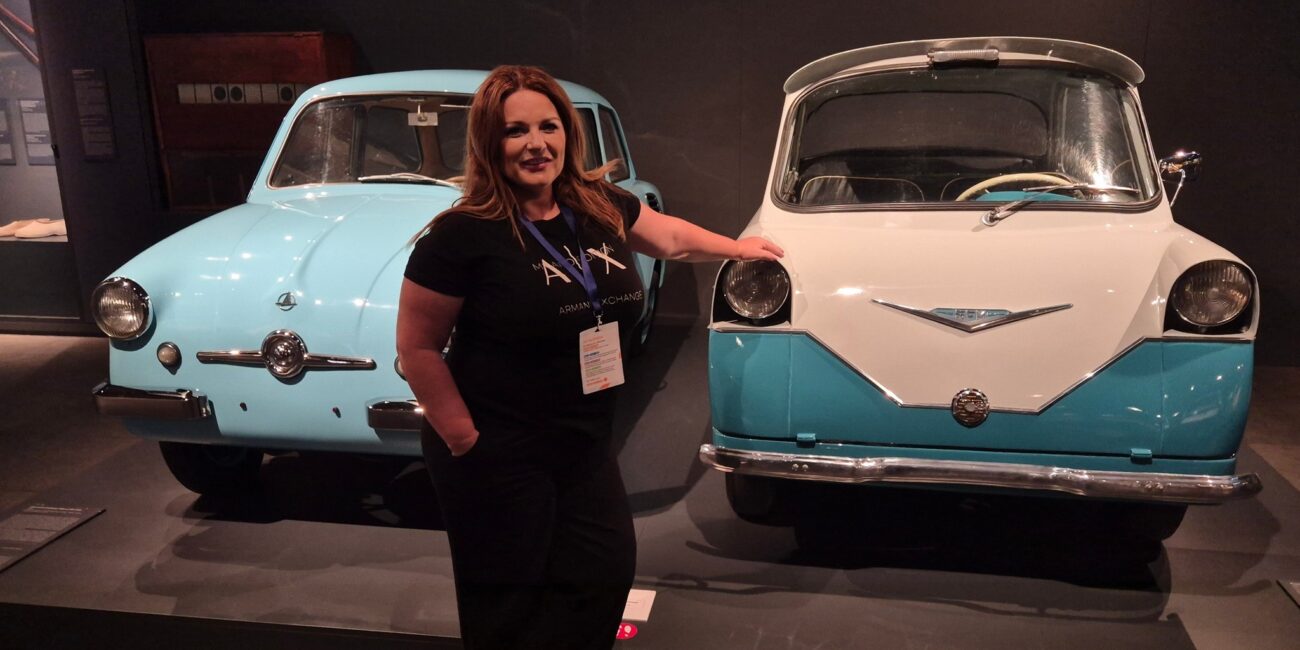
Motorcycles, vintage cars and small vehicles that once made everyday life more accessible. Each exhibit seems to carry its own road story: who it transported, where it went, what dreams it carried. The colours, curves and details of steering wheels and dashboards remind us that progress was never purely functional — it always had an aesthetic dimension.
Communication: when the voice found its way
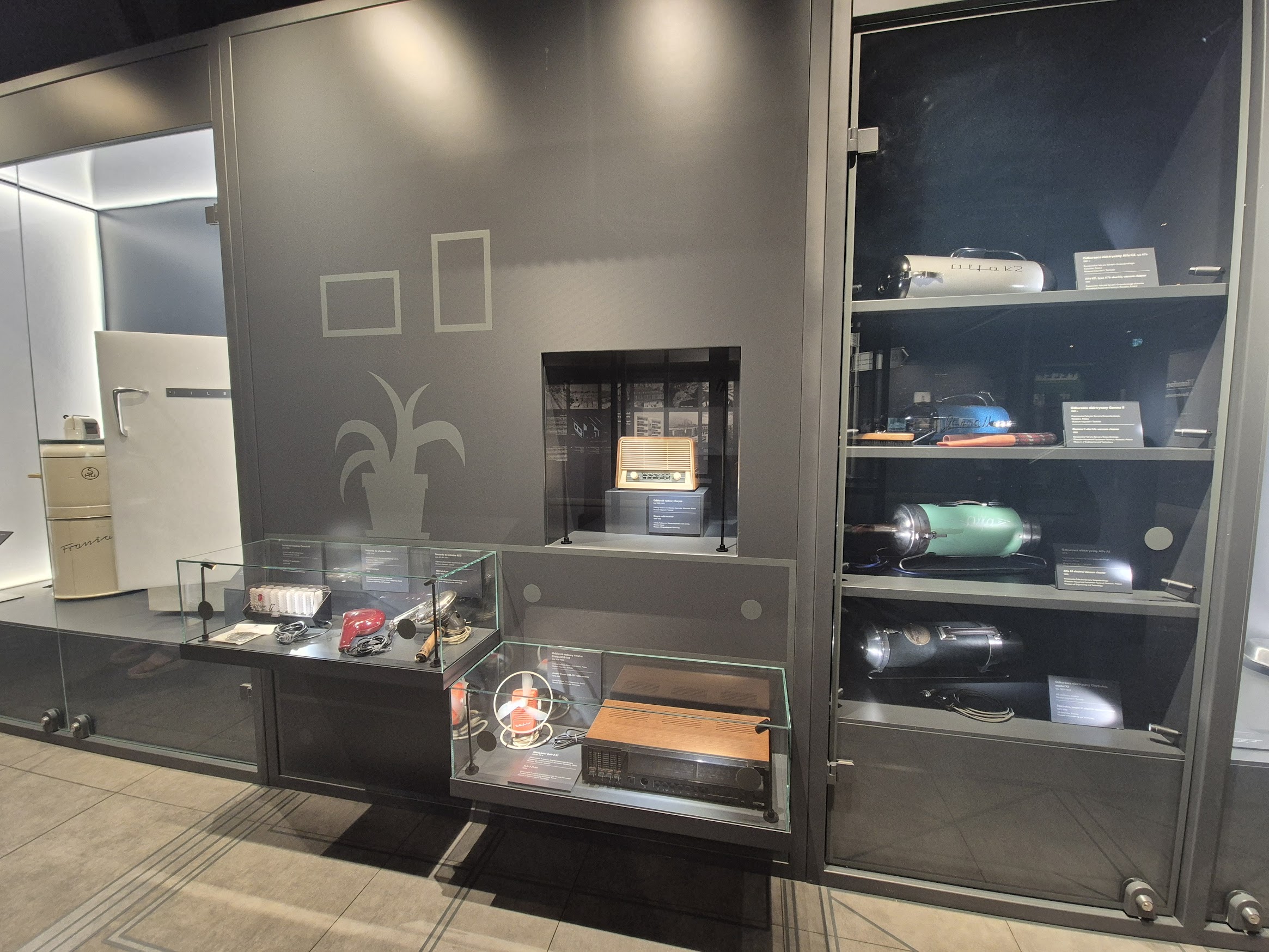
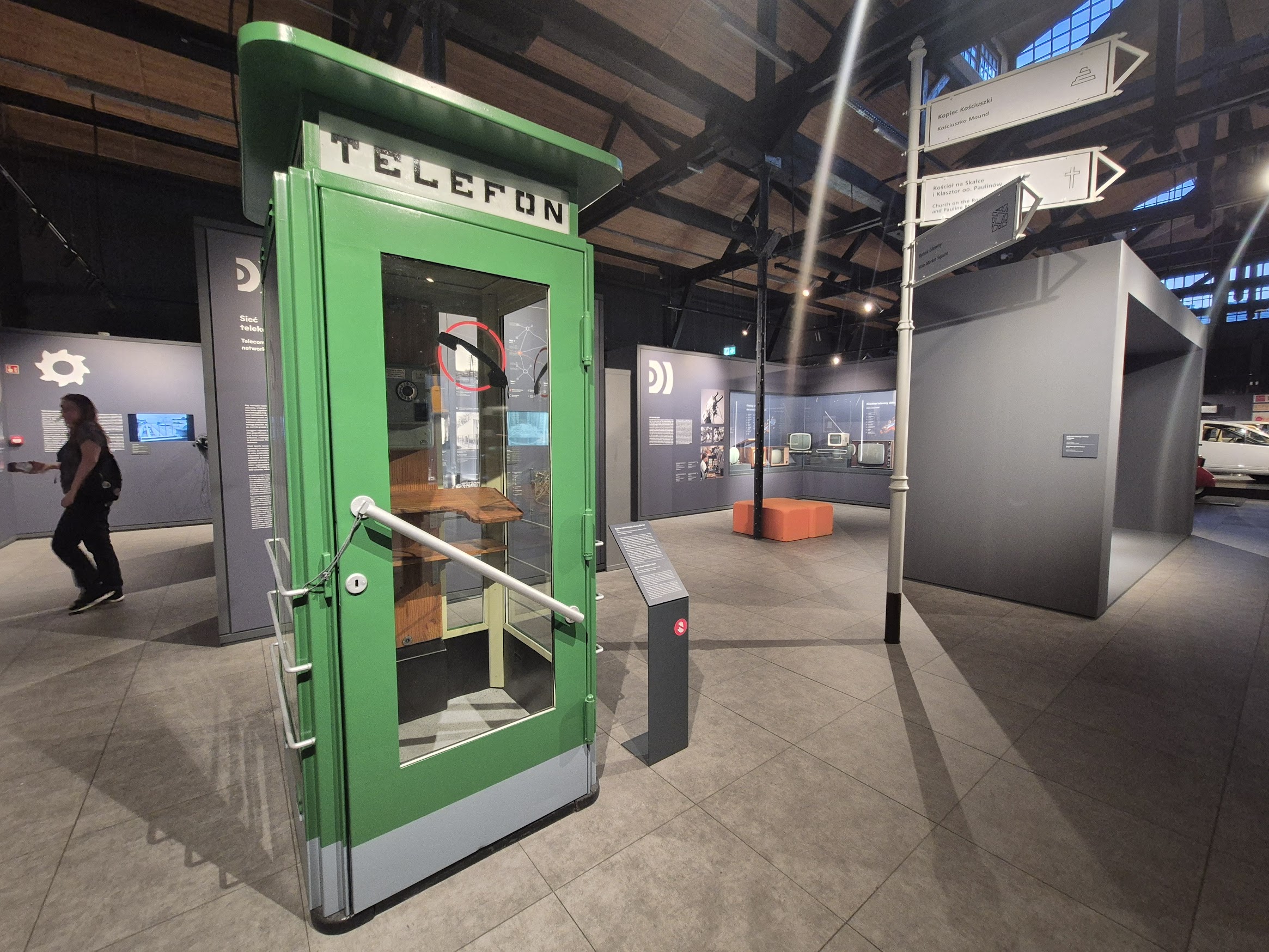
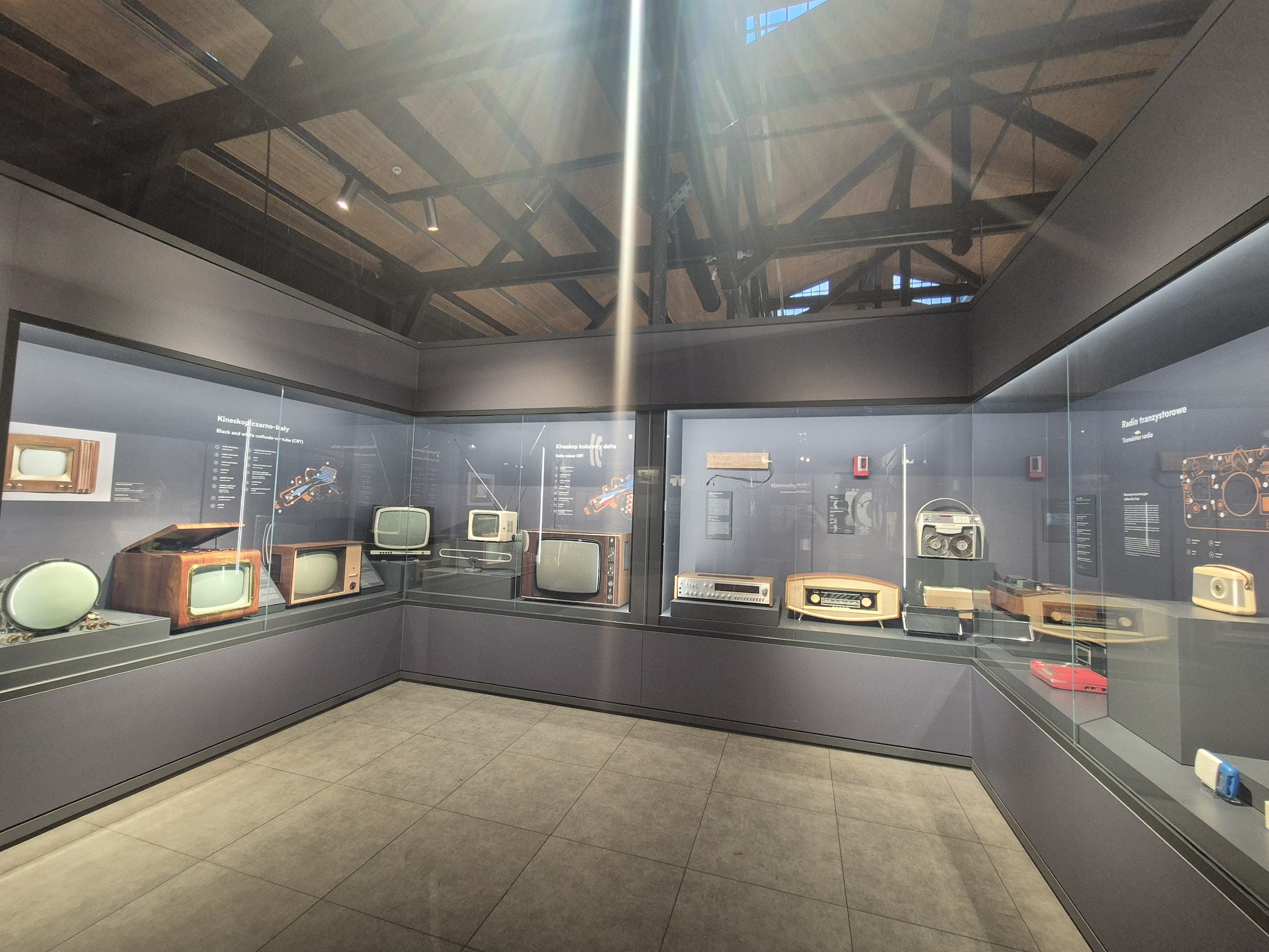
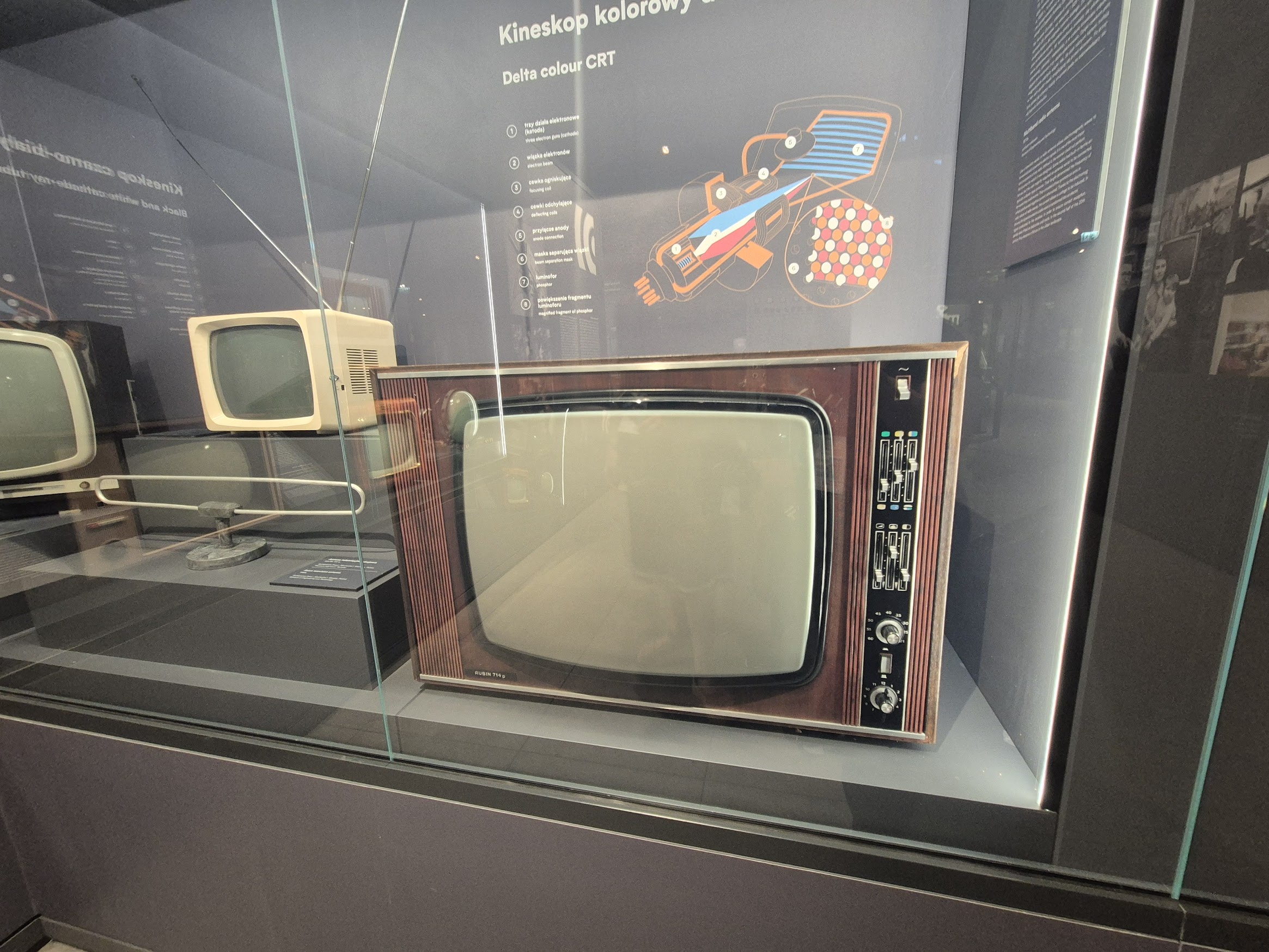
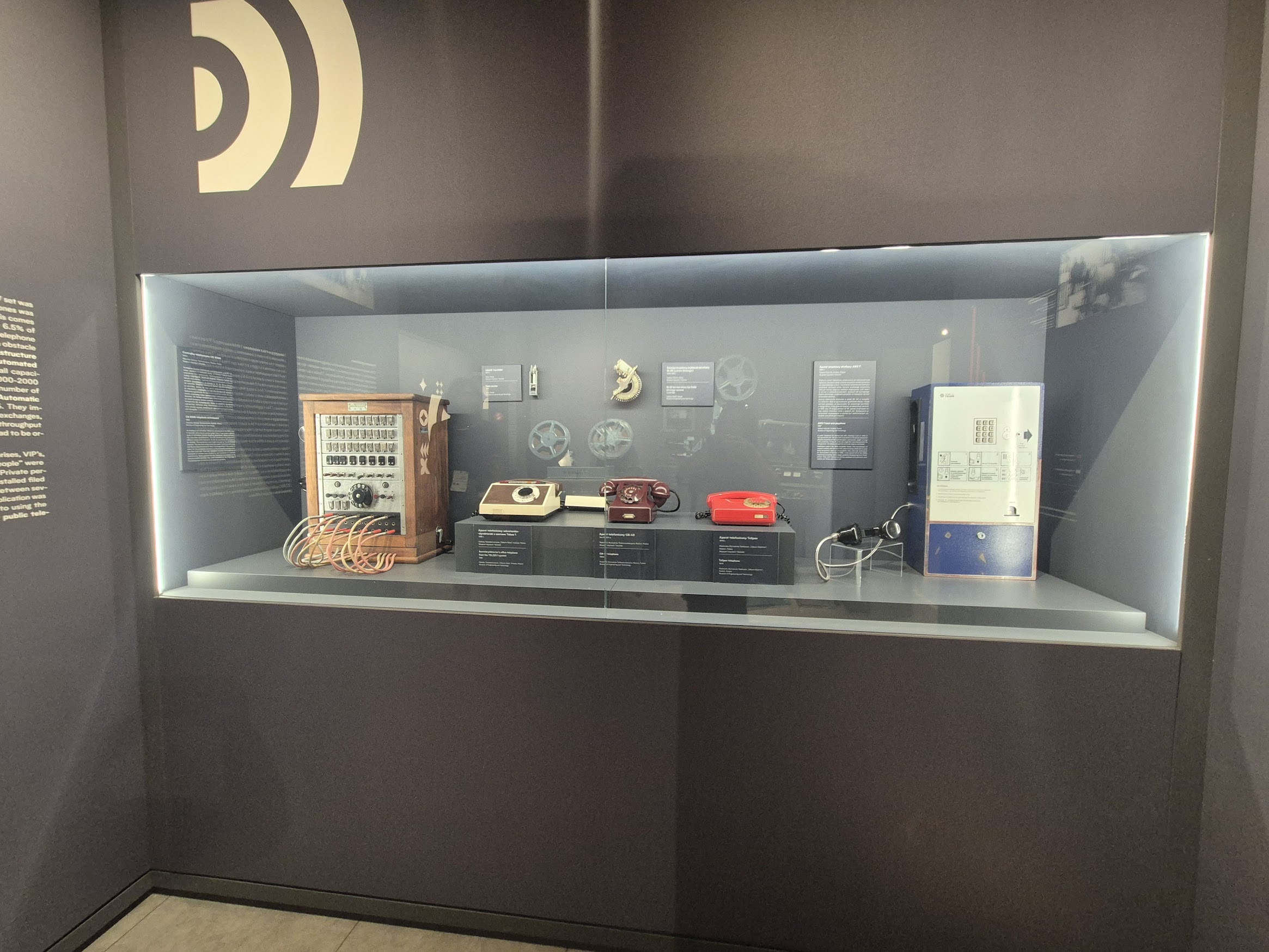
A green vintage telephone booth stands almost poetically within the space. Around it, devices that once connected homes, cities and people. Radios, televisions, sound and image machines — everything that taught us how to listen, to see, to share.
Computers that changed work — and life
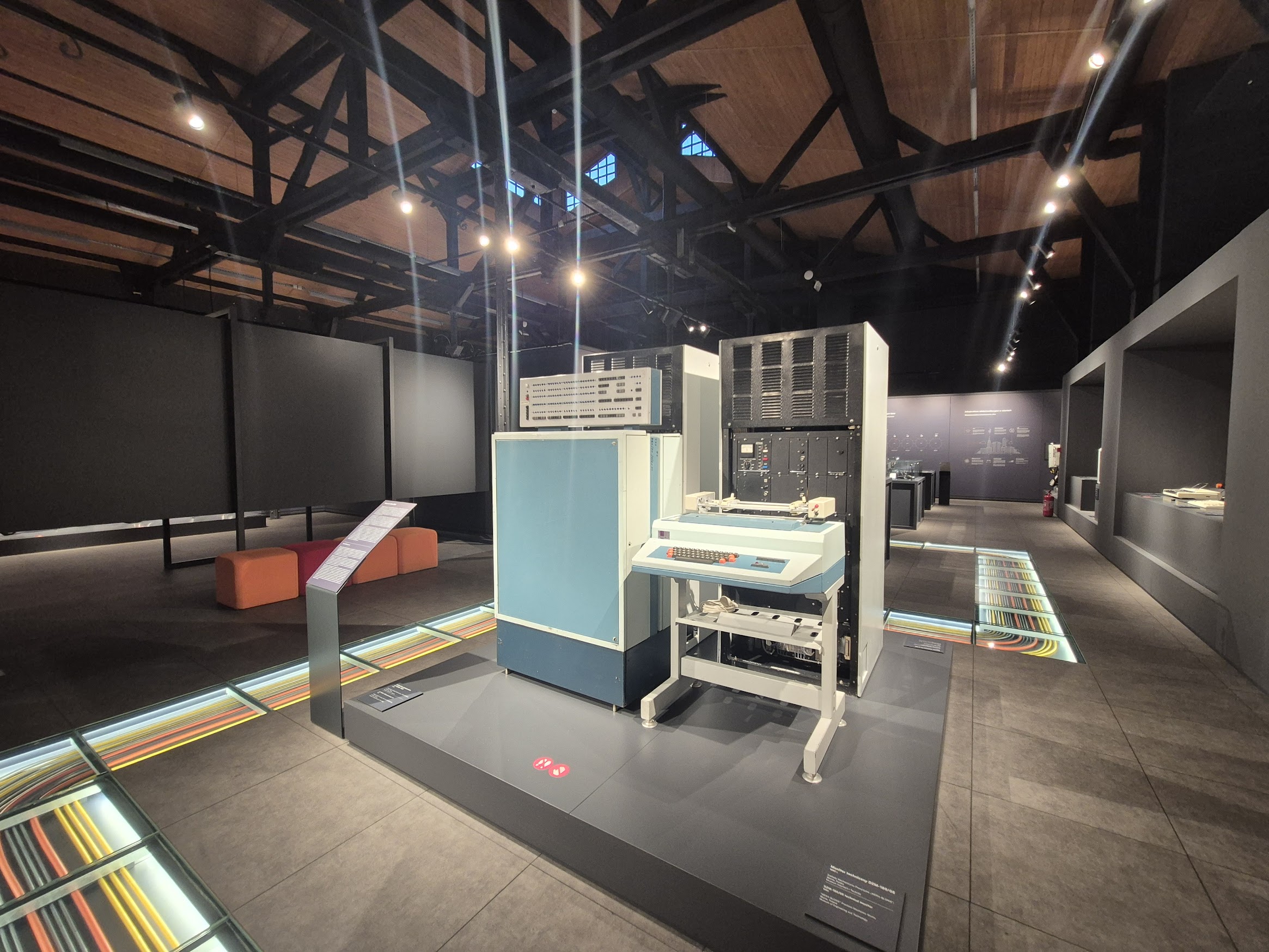
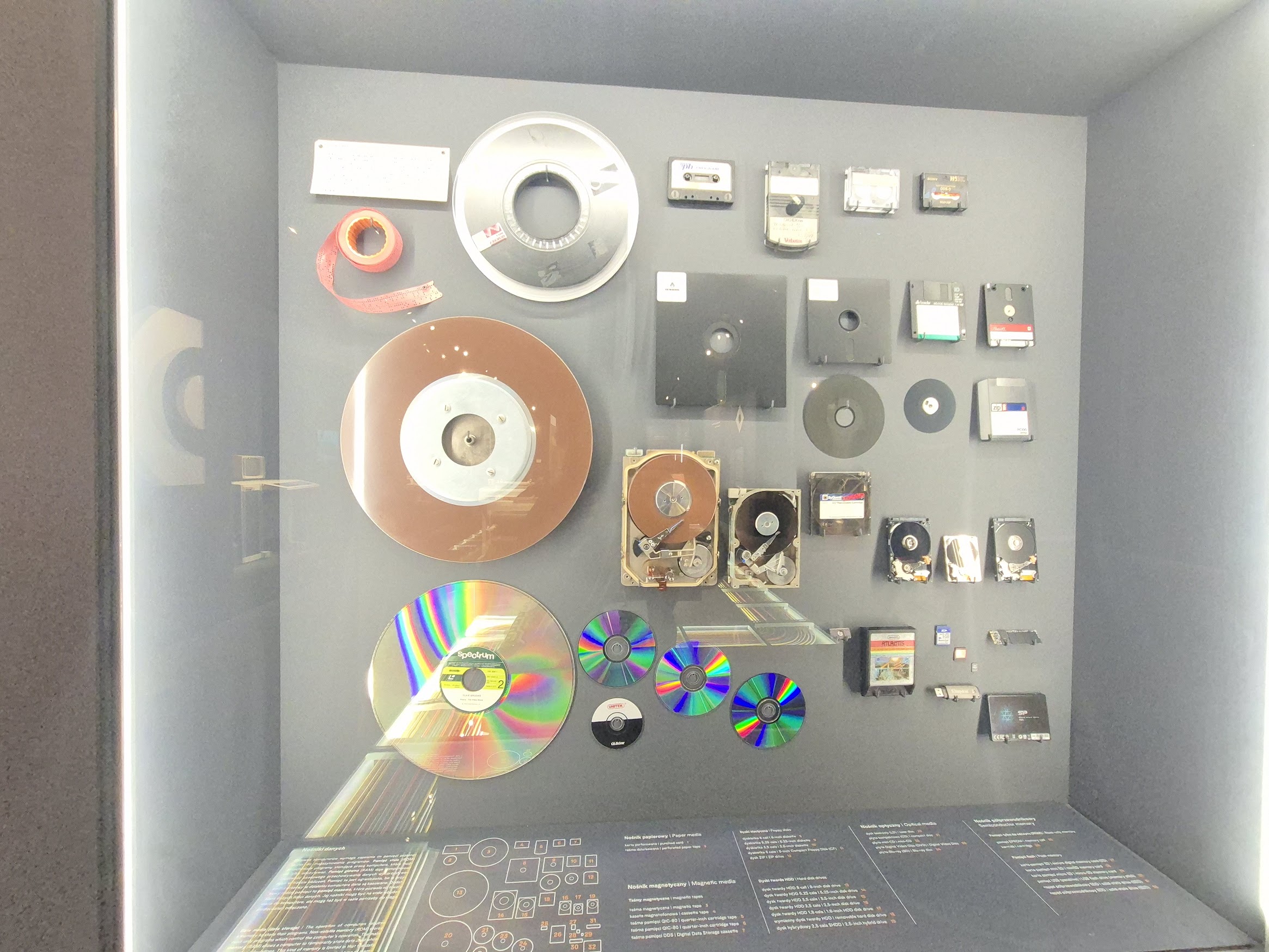
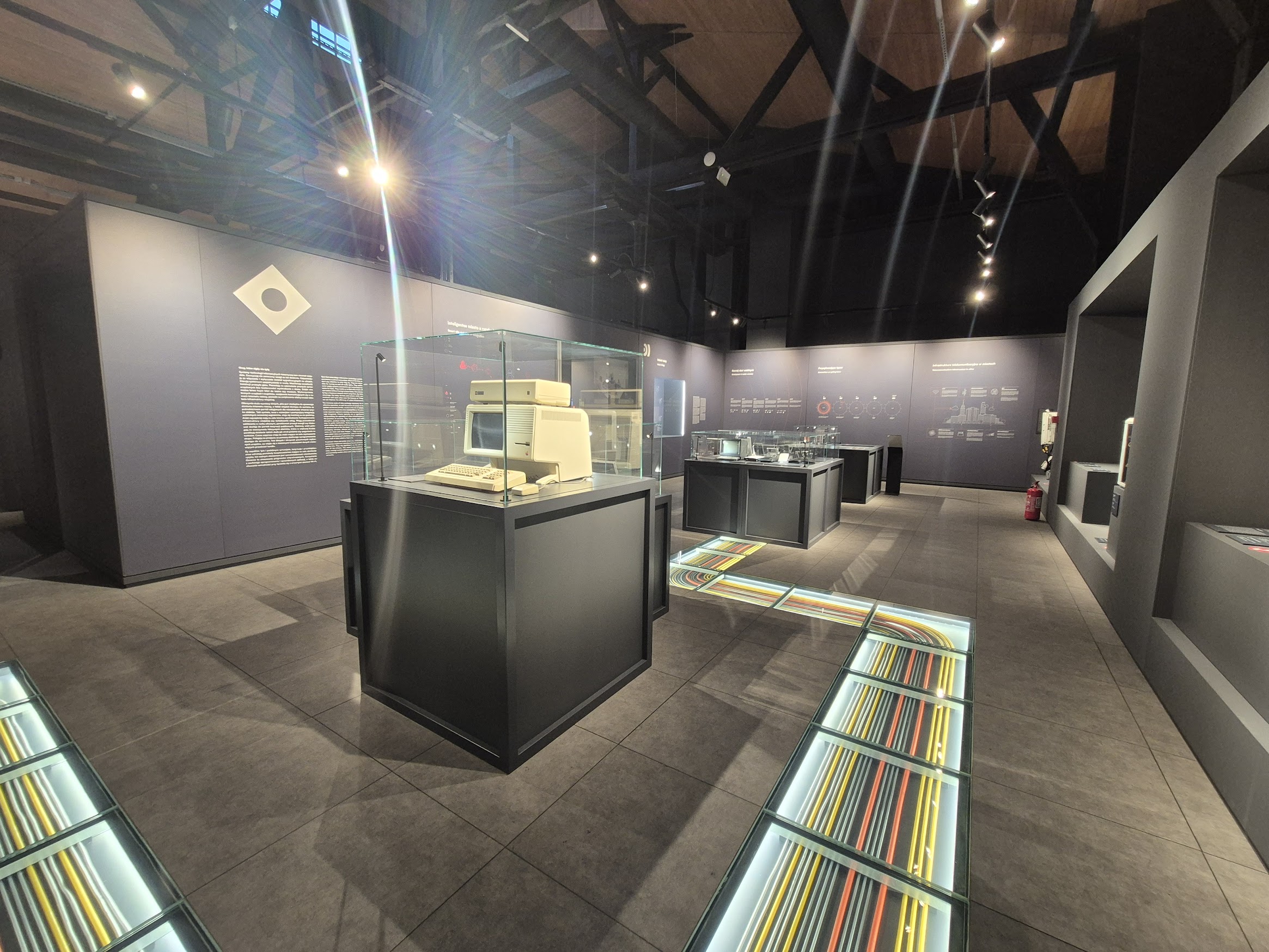
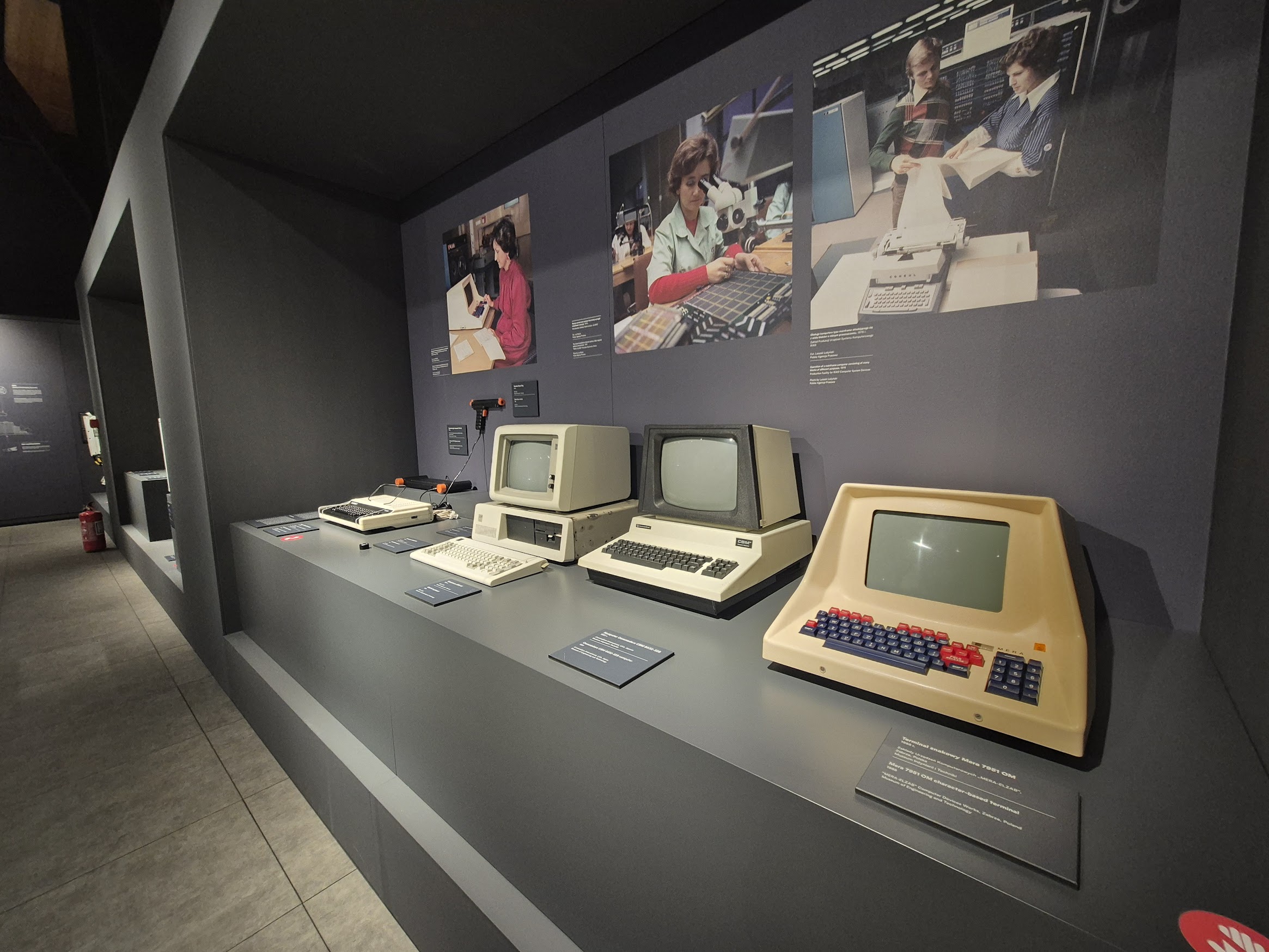
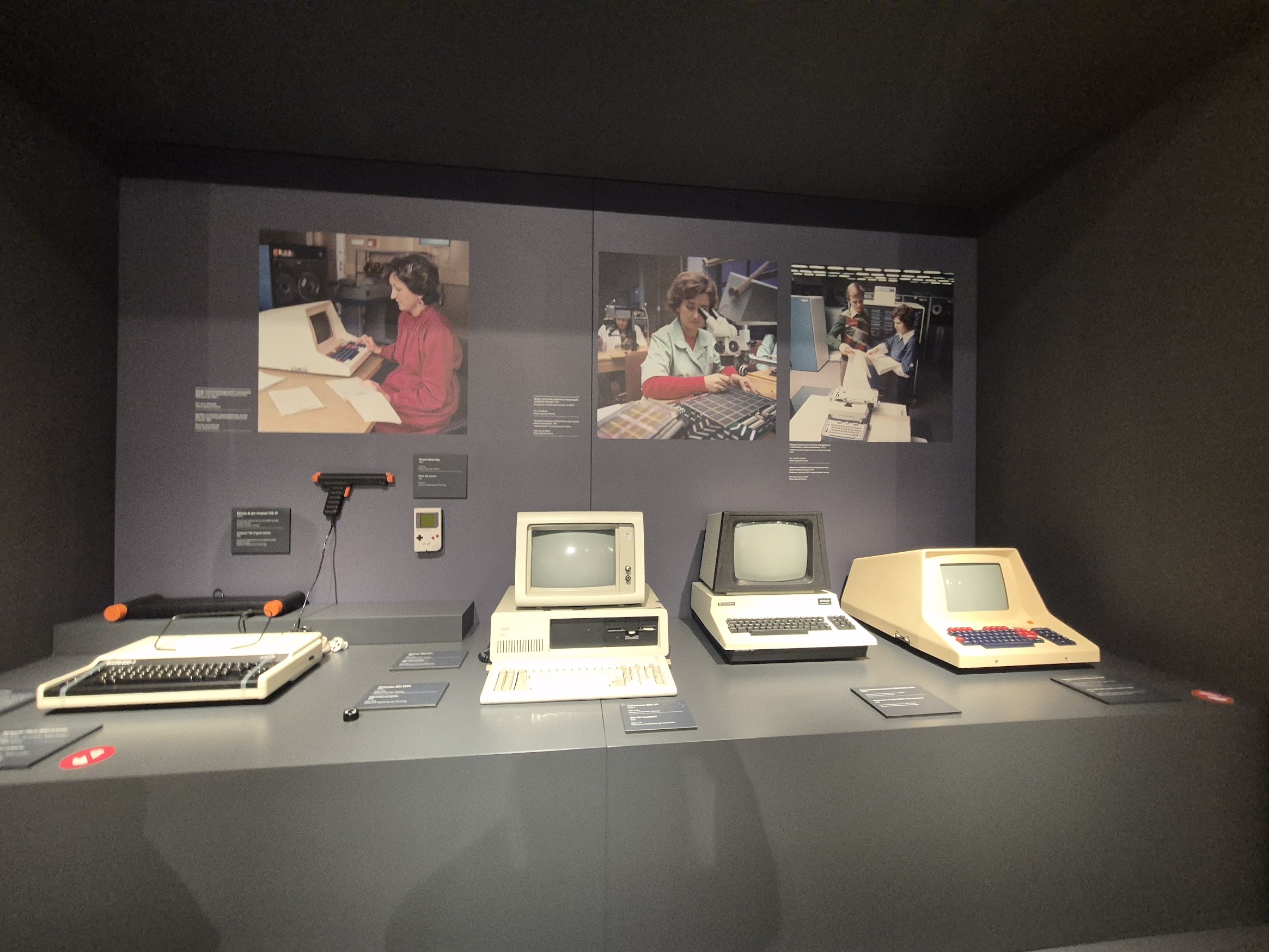
Early computers are not just vintage objects. They are witnesses to an era when labour, production and knowledge were transformed forever. Heavy keyboards, small screens, immense significance. The museum gives them space, time and context — and that makes all the difference.
When technology looks to the future
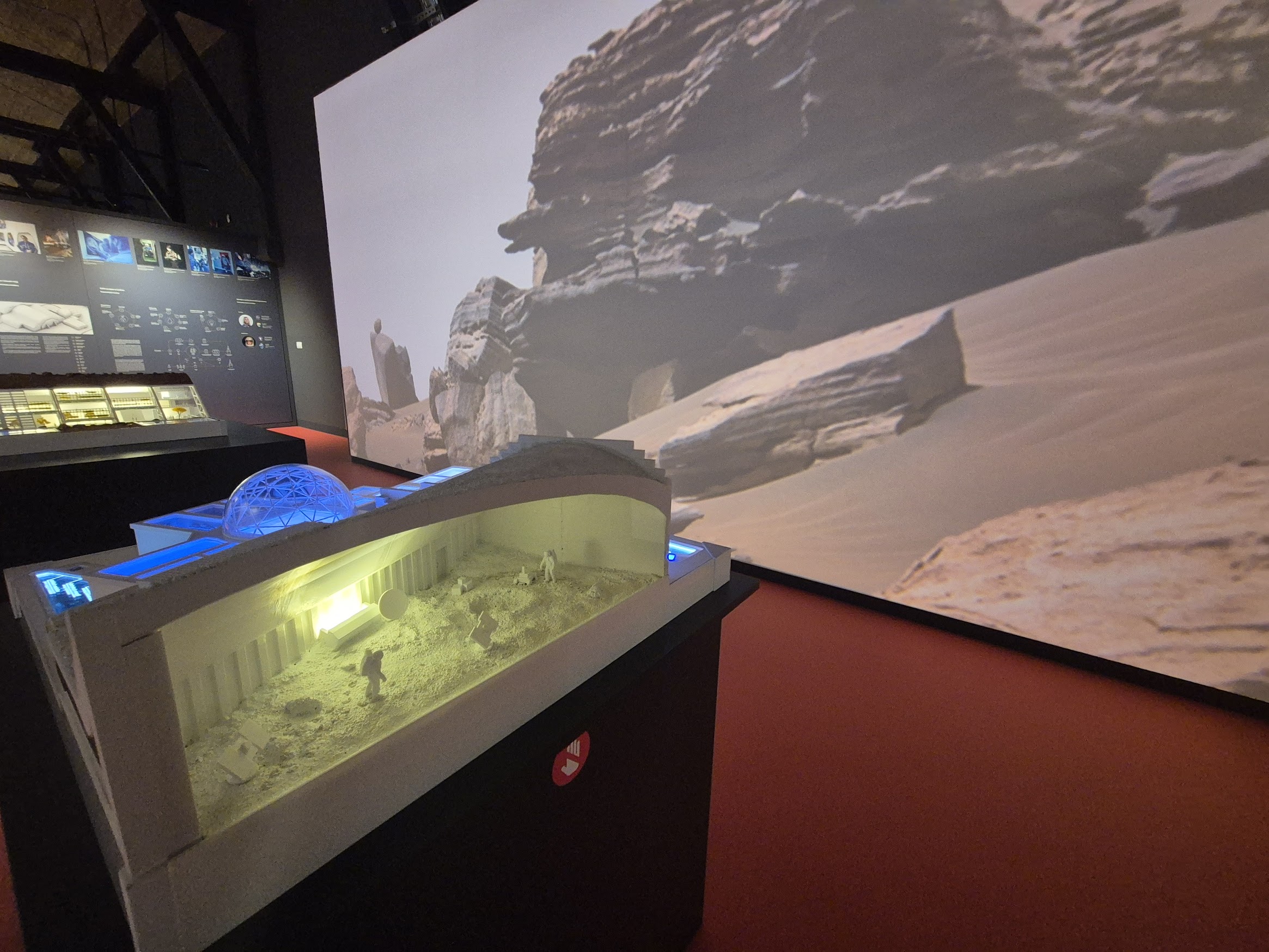
The experience does not remain in the past. Interactive sections, contemporary references and future-oriented scenarios show how technology continues to evolve, always building upon what came before.
Why you should include it in your Krakow itinerary
Because it’s a museum that doesn’t exhaust you. Because it brings together history, design and human experience. And because it reminds you that every great city hides its most compelling stories exactly where its machines once worked.
Practical info: Allow 1.5–2 hours to explore the highlights. The museum usually operates Tuesday to Sunday, with regular workshops and special events — it’s worth checking the programme before your visit.
In a Krakow of castles and grand squares, this former tram depot proves that the most unexpected journey often begins exactly where the city once kept moving. And yes — this is where I got hooked.